
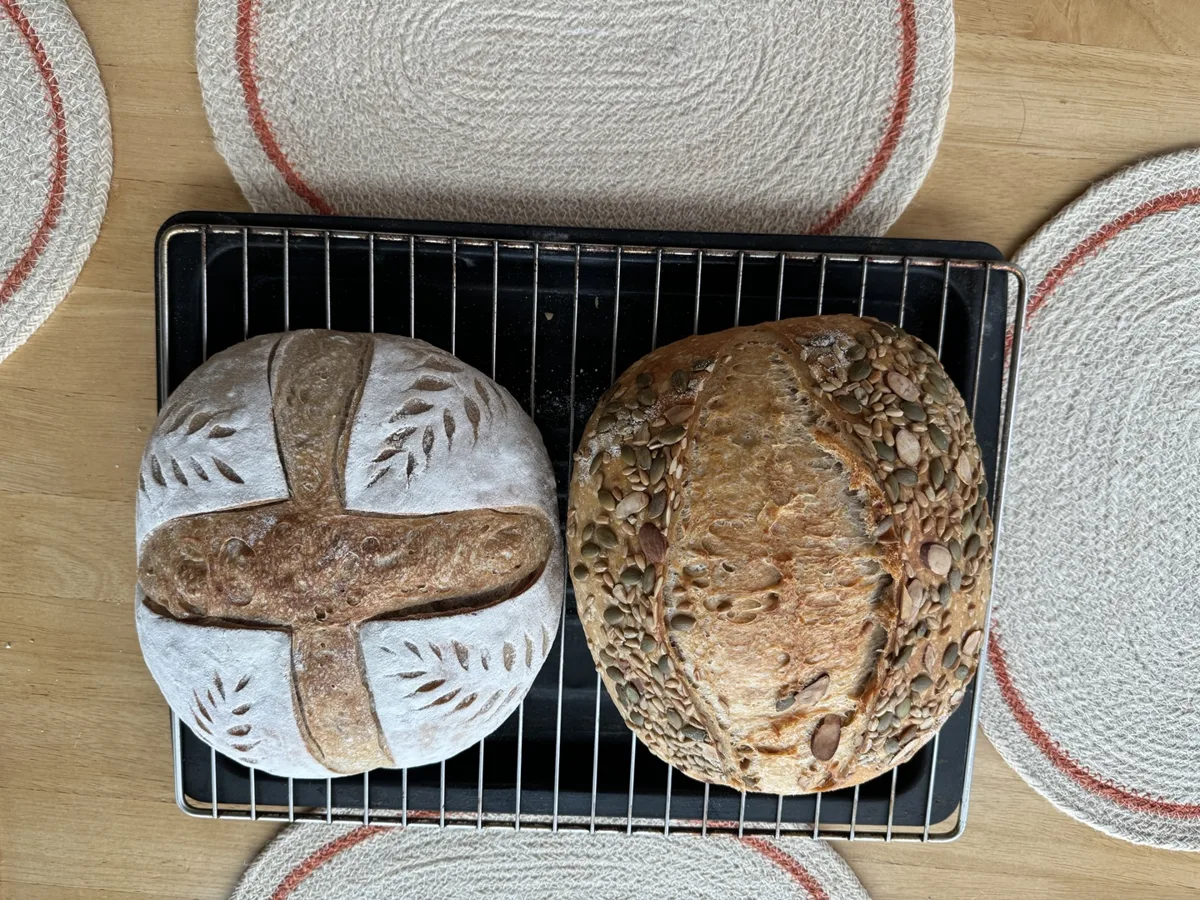
Eithar, who came from Egypt, is building a new life as a refugee settling in Korea. Having fled the oppression of a dictatorship, she had to overcome language and institutional barriers in Korea, but she never let go of hope. She adapted to life in Korea by learning Korean and diligently completing the Korea Immigration and Integration Program (KIIP), and now she has made baking, once her hobby, into a new dream and is preparing for a certificate.
“I want to connect Korea and Egypt with the bread I make,” says Eithar, who shared her wish to offer people sweet comfort through breads and desserts that bring the two cultures together. Overcoming the hardships of being a refugee and building a happy life with her family, she is proving for herself what hope makes possible.
This article is based on an interview MAP Refugee News conducted on 14 November 2024, and it gives Eithar’s words as she said them.
Hello, I’m Isara, and I’m from Egypt. My original name is EITHAR. They sound alike, don’t they? (laughs) I’m now building my life anew here with my husband and my adorable children.
Leaving Egypt and Coming to Korea
My father was someone who spoke out critically against the Egyptian government’s policies. And under the Egyptian dictatorship, just having said something like that was enough to get you sent to prison. When the situation became serious, we had to leave Egypt. So we moved to Sudan and lived there for about three years. I wanted to become a news announcer, so I was attending university in Sudan, studying media and journalism. But then the Egyptian and Sudanese governments started cooperating, and we were in danger all over again.
We thought hard about where to go, and decided to go to Korea. It was a country Egyptians could enter without a visa. At that time, my husband and I went to Korea, and my father went to Indonesia. My father still hasn’t been recognized as a refugee. I think it’s going to take a very long time.
Hardship and Hope on the Way to Refugee Recognition
Honestly, adapting to Korean culture wasn’t hard for me. I’ve always wanted to learn about new cultures, so I could understand other cultures quickly. And Korea and Egypt actually have quite a lot of cultural similarities. Boys and girls sleeping separately, respecting elders, keeping table manners, things like that are similar. I like Korea so much that I try not to look at the bad things. There are bad things, but very few, and there are more good things.
Still, before I was recognized as a refugee, there were difficulties. The biggest problem was not having insurance. I paid a huge amount in hospital costs. When I was pregnant, I once paid 700,000 won for a checkup. I only had 800,000 won, so after paying 700,000 won I had 100,000 won left. My husband was working a part-time job then, so it was even harder. It was a really difficult time. I had lots of friends who were struggling like me because they had no insurance.
The days I went to the Immigration Office were really hard too. The staff working at immigration didn’t smile and didn’t try to understand me. It hurt. Of course, after I got the refugee visa (F2), everyone treats me well. At first it upset me, thinking, “But I’m the same person…” Not everyone on a G1 visa is a bad person, and you can’t say someone is a good person because they have an F2 visa. We’re all human, after all.
A New Dream
Even after coming to Korea, I really wanted to continue my studies, but there were so many documents I could only get by going to the Egyptian embassy. But I’m a refugee, so I felt it would be dangerous to go to the embassy. So while I was thinking, “Should I give up on studying?”, I found out about the “Good Samaritan Scholarship.” I came to think that, in my current situation, getting a certificate might be better than trying to get into university.
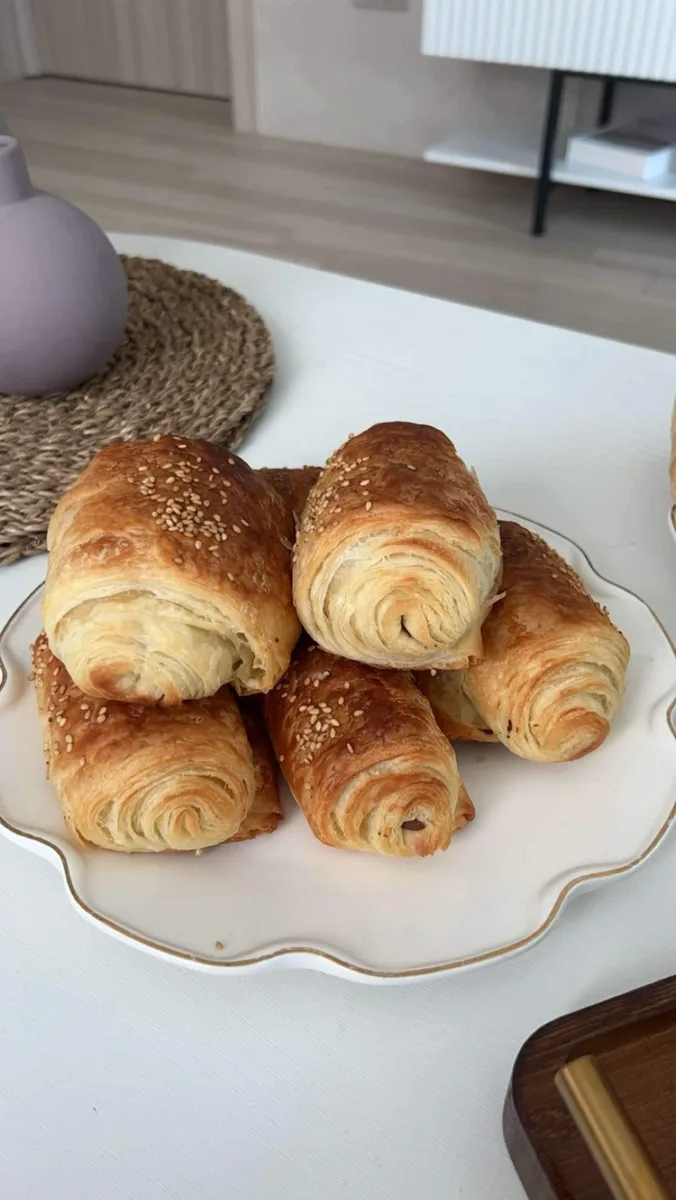
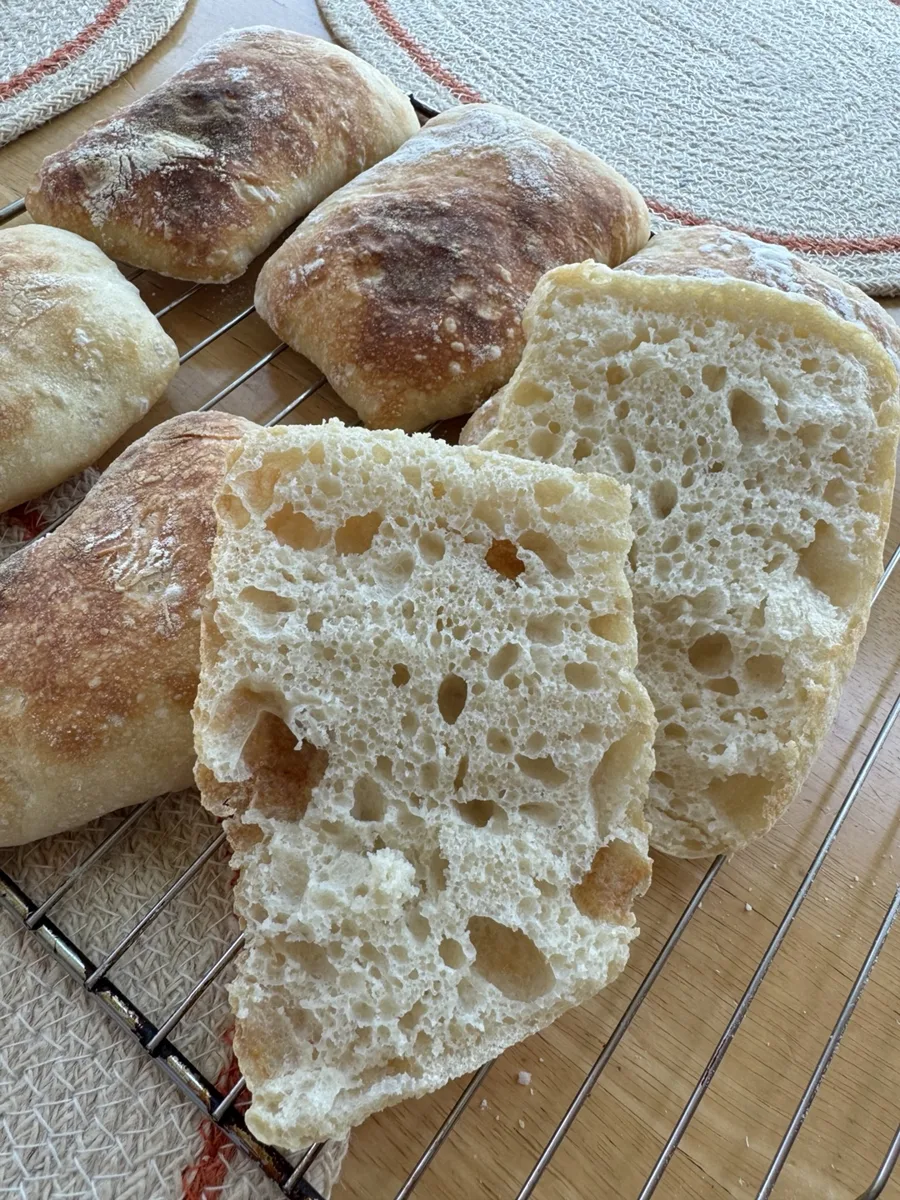
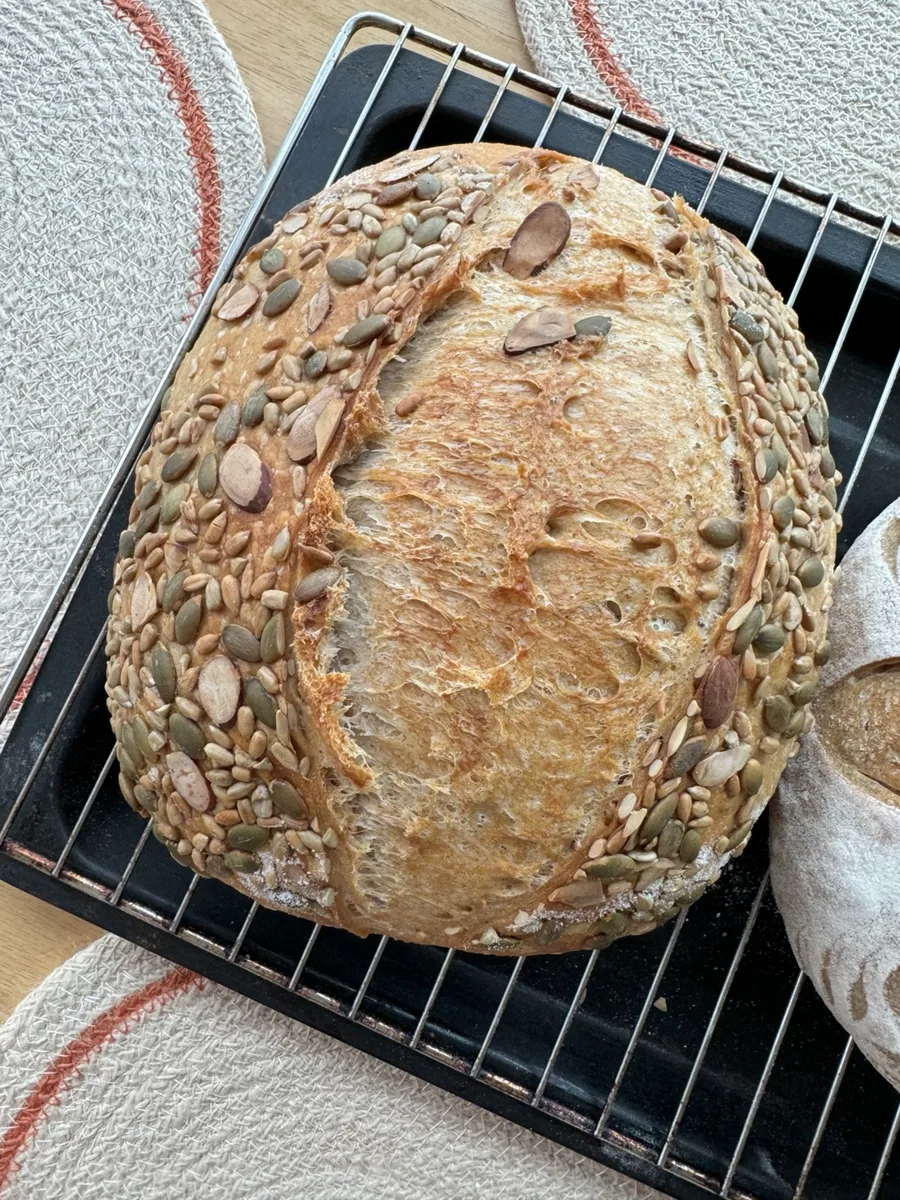
Actually, baking was originally a hobby. I loved cooking for friends when they came over. I never thought it could become work, but then I started wanting to learn it a bit more professionally. Being selected as a Good Samaritan scholar let me start studying in earnest.
Right now I’m preparing for the written exam. I have to take the exam in Korean, and I have to study things like food hygiene and microbiology, so it’s really hard. In two weeks I studied seven pages (laughs). I think I’m going to need a lot of time.
”I Want to Connect Korea and Egypt with Sweet Bread.”
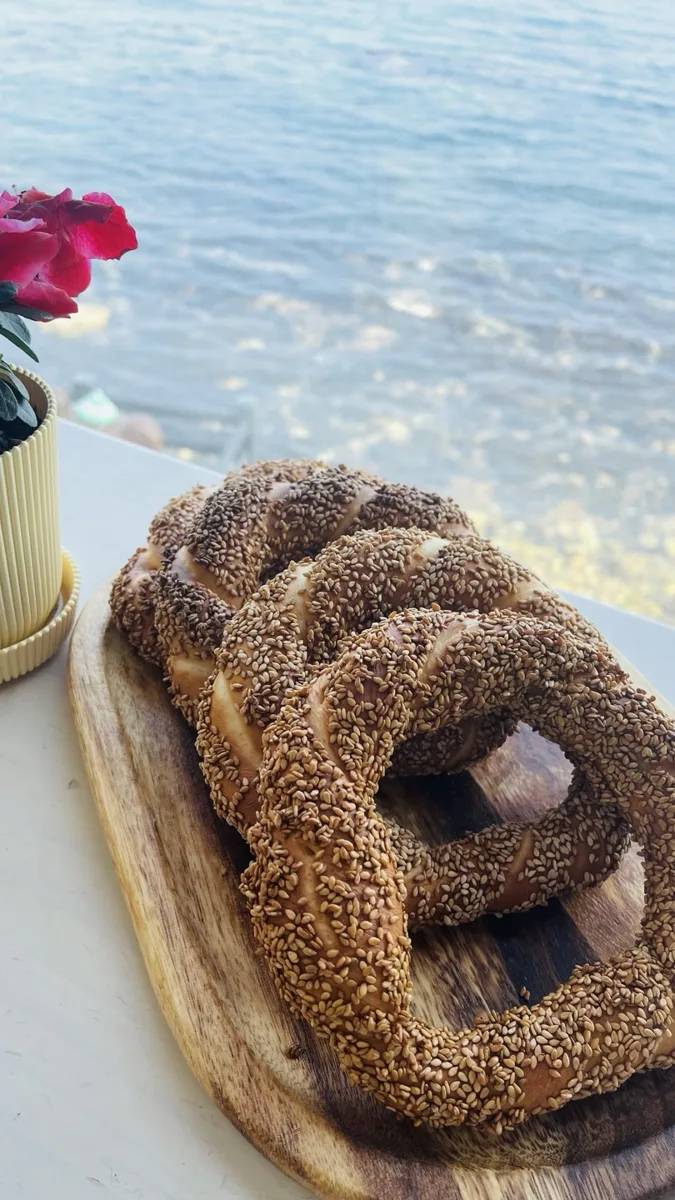
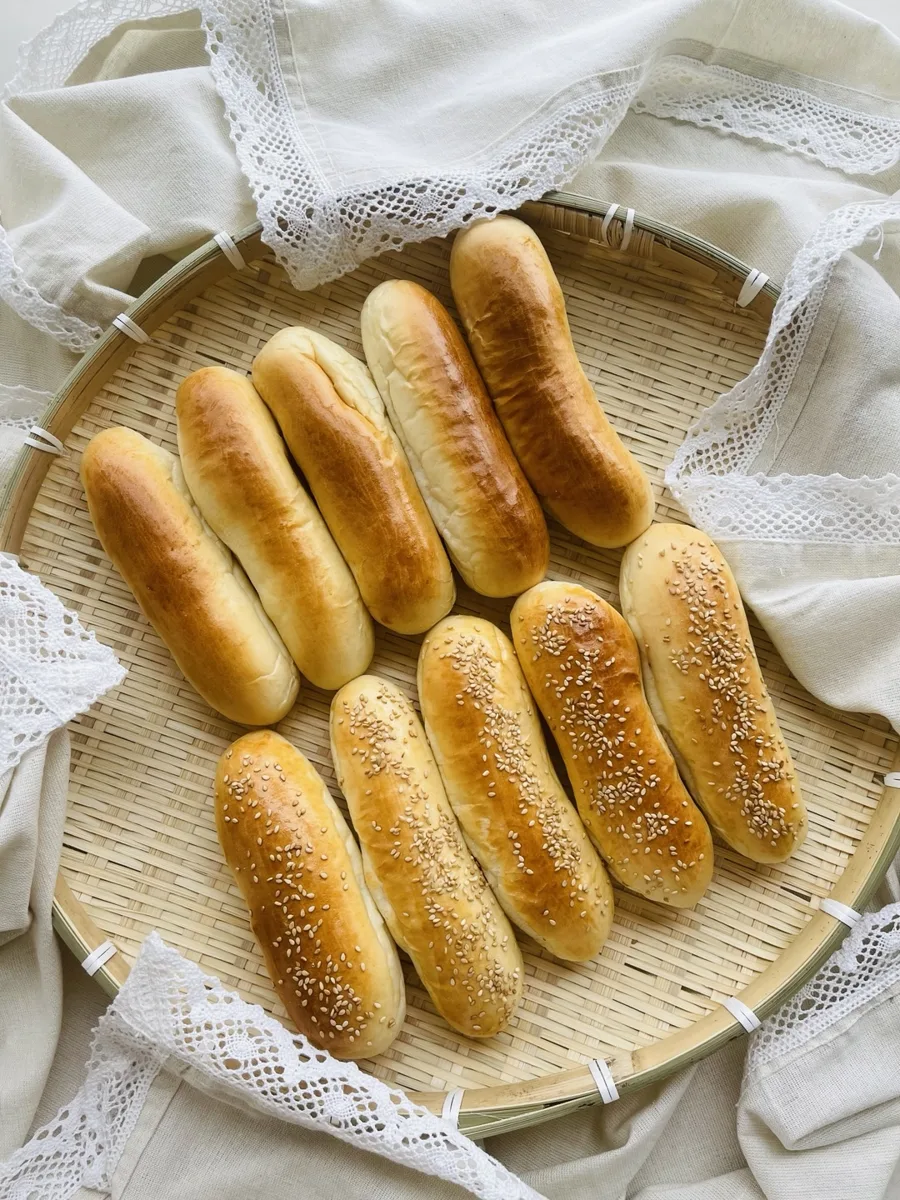
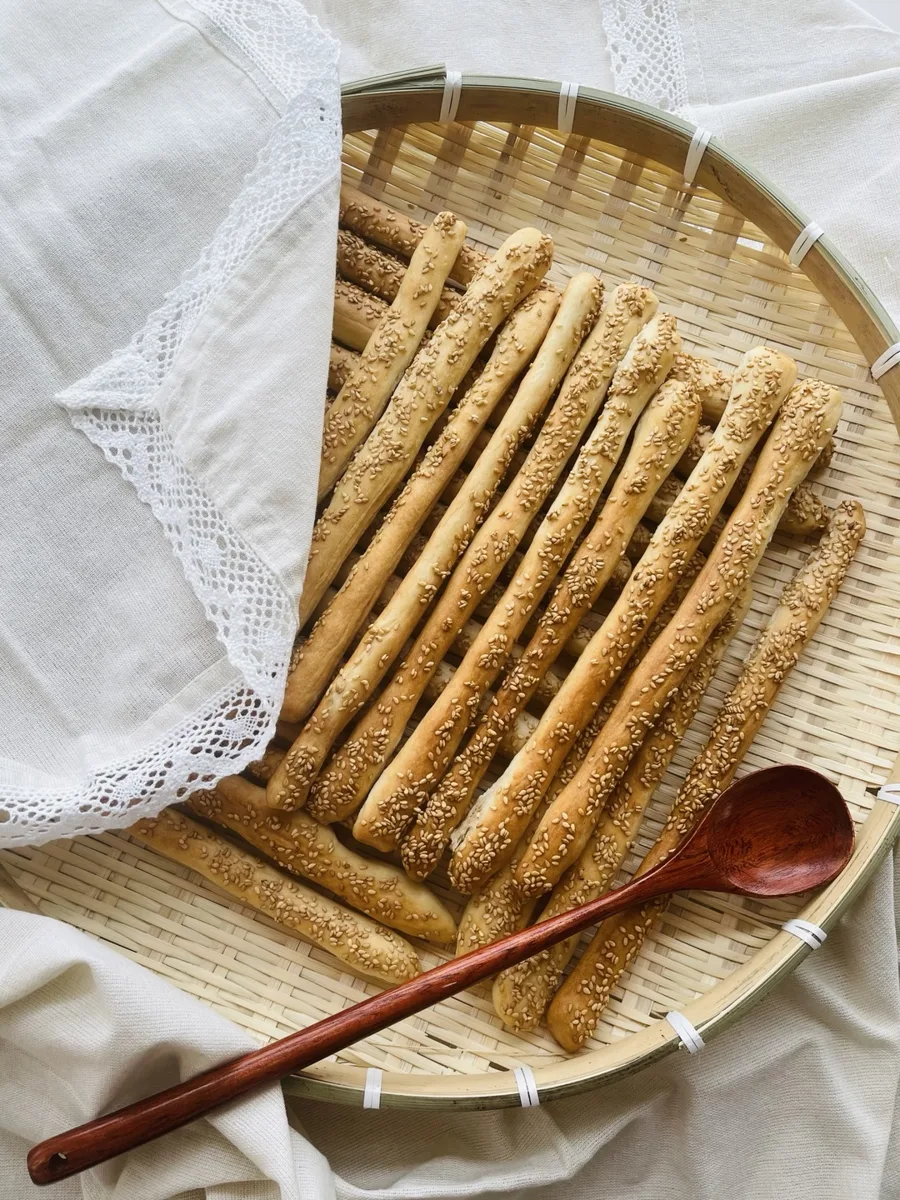
Korean people like sweet pastries, right? Well, Egyptian pastries are very sweet too. I think Korean people would like them a lot. Like Korean sweets, they’re nice with tea or coffee, but Egyptian coffee has sugar in it. So when I first saw Korean people drinking Americanos, I thought they were amazing. But these days I only drink Americanos too. A few more years and I think I’ll be completely Korean. (laughs)
If I have a dream for the future, I’d like to run a family business. Opening a bakery, I mean. Selling coffee, selling desserts. I think if we combine Egyptian culture and Korean culture, we could make something really good.
A Happy Life
Watching dramas and eating delicious food, that’s my happiness. And I’m so happy when my husband and children enjoy the bread I make. It was my husband’s birthday recently, and I made the birthday cake myself. Not with whipped cream, it was made with white chocolate.
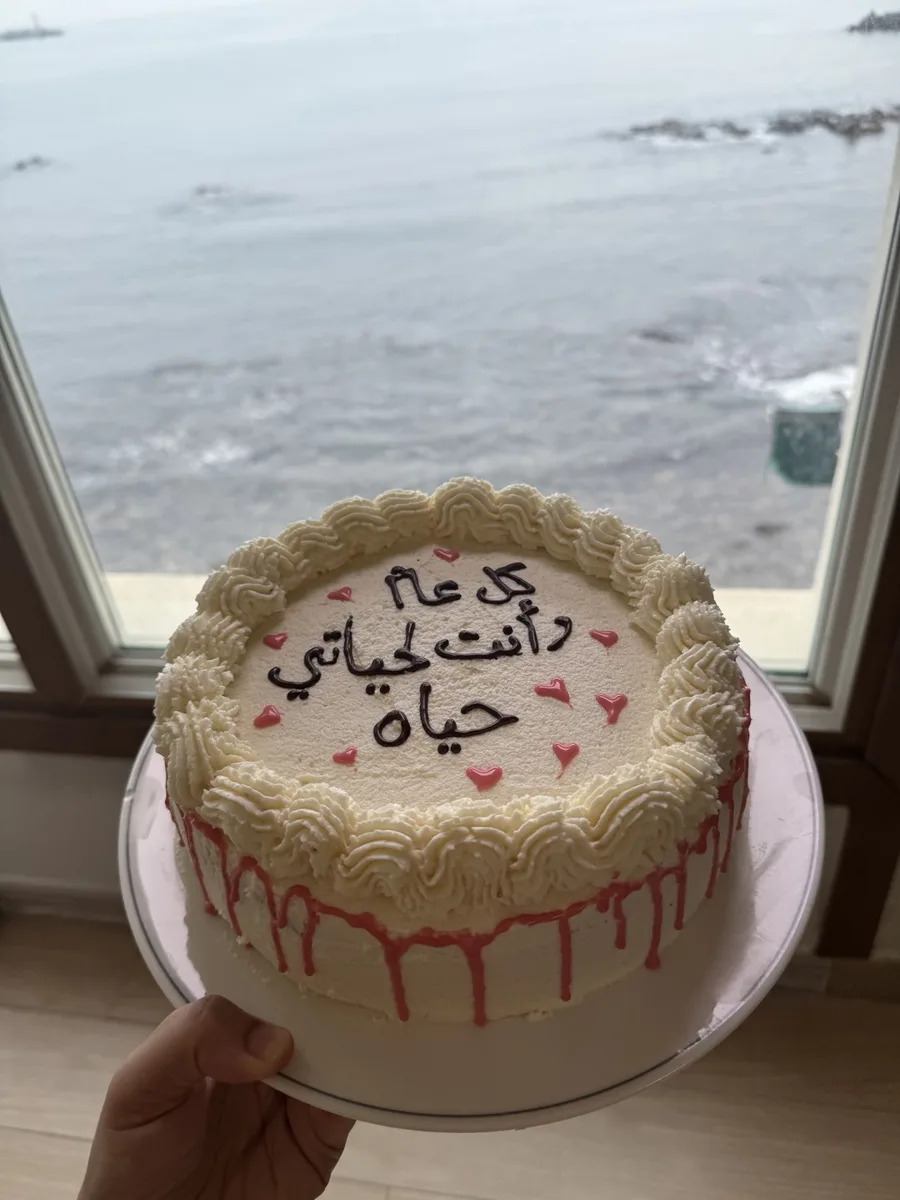
Honestly, we haven’t had time to have parties on birthdays much. But this time I had the time, so I wanted to throw my husband a surprise party. We lit candles and waited with the kids for him to come home from work, and when they heard the door, the kids ran to their dad. I was really happy.
When raising my children, I just hope they grow up without being hurt inside, without trauma. I try to stay close with them while also getting them to listen to me. If they really won’t listen, I take them to their room, explain why they’re being scolded, and tell them they need to apologize to Mom. My little ones are making a lot of mistakes these days. But if they didn’t make mistakes they wouldn’t be babies, so right now they need to make mistakes. A mom’s job is to understand that while still telling them when something is wrong.
And the teachers at the Korean daycare center help a lot too. If there’s something I don’t know or there’s a problem with the kids, I talk with the teachers about how to solve it. They help a lot.
In Egypt, because of economic problems, both mom and dad have to work. Then there’s no time to be with the baby. Teachers in Egyptian schools these days aren’t like they used to be, either. They used to teach a lot of things like manners, but now they just teach what’s in the book and don’t teach kids not to behave badly. Society has changed a lot and there’s more crime. Because of economic problems, moms can’t raise their kids, and dads work two jobs, so things get even worse. But in Korea, we were able to get a lot of support. Because you’re a mom, a dad, the government supports you if you have economic problems. Many countries don’t have support like this.
Adapting to Korea, Connected Heart to Heart Beyond Language
Actually, I’ve watched a lot of Korean dramas since middle school. I’d been hearing Korean constantly since I was young, so it was familiar. When I hear Japanese or Chinese, they’re new and different languages, so they feel strange. But Korean never felt strange when I heard it. It was already familiar, like English.
Actually, middle-aged Korean women helped me a lot with practicing Korean. They’re very curious about me and ask me all sorts of things. When they ask, “Why do you wear a hijab?”, I answer, “Oh, I’m Muslim, so I wear things like this a lot~”. They also wonder where I’m from. When I’m with the kids, grandmas sometimes tell my husband, “Your wife has it hard, so you should help her a lot~”. I love it. I’ve never met bad Korean people. I haven’t been discriminated against; I’ve only met people who were curious about me. I’m so grateful for that. And even if I did meet bad people, I wouldn’t think all Koreans are bad. It’s that person who’s bad.
At first, communicating in the language wasn’t easy. So I used translation apps a lot, but now I don’t use translation apps. When people say something difficult, I can ask, “What does that mean?” Then people say it more simply. There are still lots of words I don’t know and I can’t understand all of Korean, so those situations happen. But I try to remember the words I keep using.
”After Hardship Comes Joy.”
Of course learning a new language is hard. But if you don’t give up, in the end you’ll be able to understand Korean. It just takes time. If you study every day, of course you’ll get good results. If you start now, tomorrow you’ll understand a little more. It’s okay if it takes two years, three years. It’s okay if it takes ten years. So you have to keep going. So many people, while studying, think about giving up because it’s hard, but you have to remember that if you give up, you’ll never understand.
My favorite saying is “After hardship comes joy.” When I learned this saying I loved it so much that I’ve kept remembering it. I even put it on my KakaoTalk profile. It’s because I love it so much. (laughs)
Learning Korean Culture
I really love Korean culture too. Learning everything from Grandfather Dangun and Gojoseon to the modern Republic of Korea, I realized how meaningful Korean culture and history are. The Korea Immigration and Integration Program (KIIP) helped me a lot in adapting to Korean society. In the first stages, 1 and 2, the teacher taught only in Korean, so it was hard to understand, but I got through it with help from the friends I was studying with. From stages 3 and 4, I learned how to study on my own, and I also picked up tricks for solving problems, so I got better and better.
In Stage 5 I started learning about understanding Korean society, and the words were hard and the book was thick, with a lot of basic content, so I had to study separately outside of class too. I used a quiz app (Quizlet) to enter the Arabic meanings of Korean words I didn’t know and make flashcards to study. I’m using this method for my baking studies now too.
And many Korean words are easier to understand if you know the Chinese characters (Hanja), so I’m also feeling how important it is to study Hanja. Right now I only know simple Hanja, but I think later, when the kids are older, we can study together (laughs).
Closing
I’m actually someone who doesn’t give up easily. When there are difficulties I get very upset, but I don’t give up. And I just want to live well in Korea. I want to be a good citizen. Whether we’re Korean or foreign, we’re all living together in Korea, right? If I live well, I think it will have a good effect not just on me but on other people too. That’s why I want to live well.
Don’t give up. If you give up, the problem actually gets much bigger. If you give up, you don’t learn anything, right? Then that keeps being a problem.
Honestly, when I was first contacted, I thought, “Why do they want to interview me?” I also wondered, “Can I give other people courage?” To be honest, I don’t think I’m some really great person. I’m just a person living my life. Still, I was proud that I could show that I’m working hard at living in this world. While talking, I was a little moved myself. From today, I’m going to live even harder!